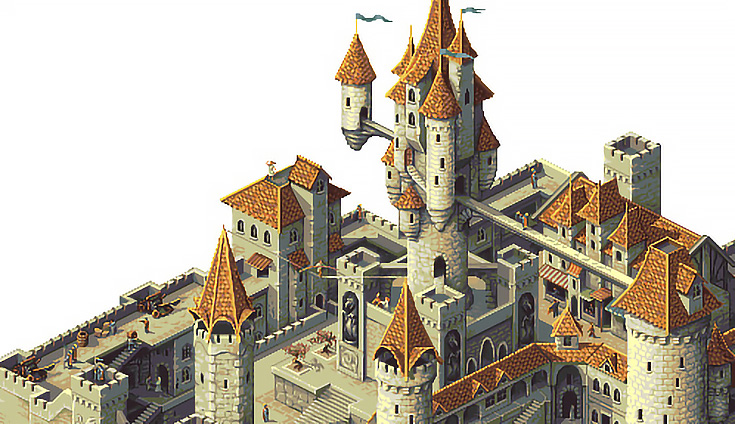
Pixel art is a unique digital art movement that got its start in the early years of computer graphics when video cards still had very limited capabilities. (Think old arcade games and you'll get the idea.). . . read more
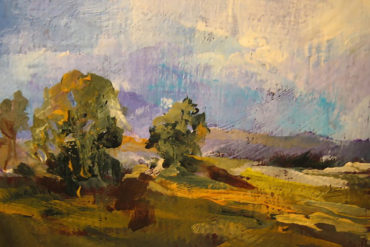
Over the past 18 months I have devoted a lot of my painting time to the creation of Pocket Art. "Pocket Art" refers to paintings with dimensions of 2.5 x 3.5 inches, and while painting in such a small format can be challenging, it is always rewarding. . .. . . read more
With the advancement of computer technology (and software programs such as Photoshop) the relentless, tireless photographer who crouched in dawn's early light to catch that "perfect scene" is a rare find.. . . read more
Japanese art prints, or Ukiyo-e (which means "pictures of the floating world") have become an increasingly popular art form in the Western world. Their upward, floating imagery sprang from the Buddhist idea that joy is transient and that only detachment from desire will bring true. . . read more
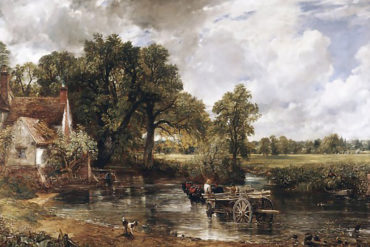
What was Romanticism? Well, although the name may sound a bit lovey-dovey, as an art (and literary) movement Romanticism really had nothing to do with love or romance. It DID have everything to do with emotion, however.. . . read more
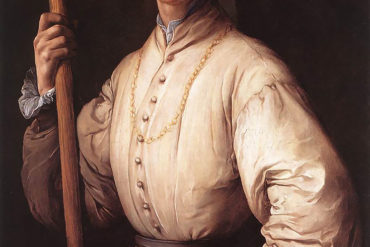
What was Mannerism? Simply put, Mannerism was the art movement that took place immediately after the Renaissance during the 16th century. There are also two things which tend to show up in Mannerist works fairly often, and you can spot them if you know what to look for.. . . read more
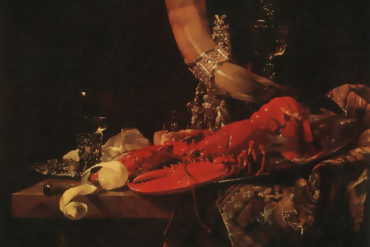
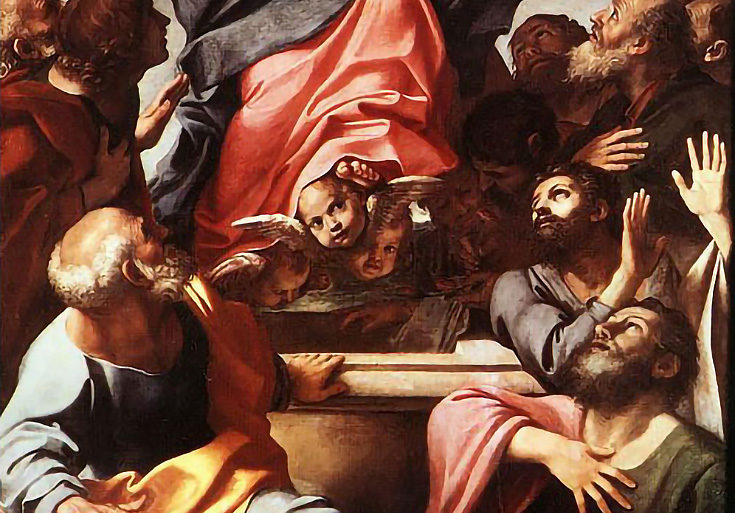
The Baroque art movement began during the early 17th century in Italy and lasted over a century throughout Europe. As a style, Baroque artwork combines dramatic compositions, beautiful details, and emotional subject matter.. . . read more
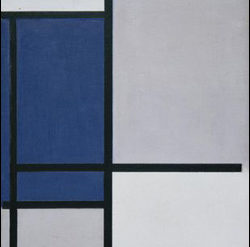
The De Stijl art movement (Neo-Plasticism) had just one goal: to make art that was as simple and as basic as possible. De Stijl took art to an almost scientific level of precision and perfection, using squares, lines, and primary colors only.. . . read more
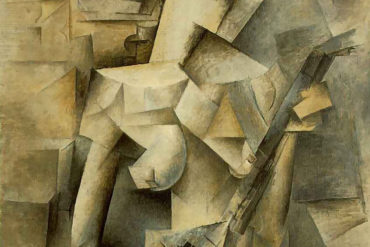
Within the first two decades of the 20th century, a new art movement began unlike any other - Cubism. Most Cubist works are immediately recognizable due to their flattened, nearly appearance, geometric lines and angles, and a fairly neutral color palette.. . . read more
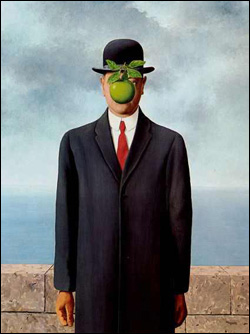
The Surrealist art movement began with André Breton, a French writer interested in Sigmund Freud's analysis of the subconscious mind. André Breton wanted Surrealism to change the world. . . in some ways, it probably has.. . . read more